
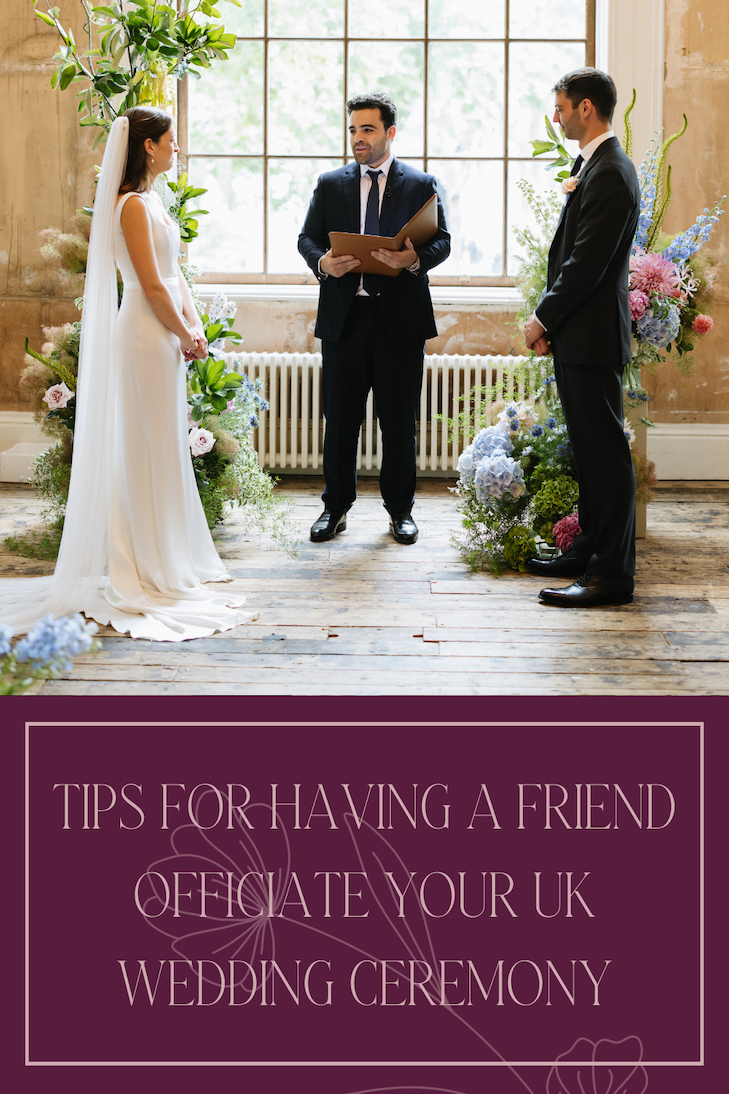
Having a close friend or family member officiate your wedding is definitely becoming more popular in the UK! I think people love this option, because it instantly makes your ceremony super personal, gives an important person in your life a big role during the day, and also saves the cost of bringing a registrar or celebrant to your venue!
I’m all for having a friend or family member as your wedding officiant – we actually did this as my own wedding! However, asking a friend to officiate does come with a few extra considerations. Unlike a professional celebrant or registrar, they may not have experience in structuring a ceremony, writing a script or managing the flow of the moment in front of a large group of guests.
If you’re thinking about asking someone close to you to officiate your wedding, these tips will help you create a ceremony that feels thoughtful, well organised and memorable for all the right reasons.
Deciding if you need a wedding day co-ordinator or if what the venue offers is enough? Find out the difference here: VENUE COORDINATOR VS PRIVATE WEDDING COORDINATOR
Can A Friend Officiate A Wedding In The UK?
One of the first things couples need to know is that a ceremony officiated by a friend isn’t legally binding in the UK. In order to be legally married, the ceremony must be conducted by an authorised registrar or celebrant at a licensed venue.
Because of this, couples who choose to have a friend officiate their wedding will usually complete the legal part separately at a registry office. This can be done days or even weeks before the wedding itself, or even afterwards. Many couples keep the legal ceremony simple and private (which is also much lower cost!), then treat the wedding ceremony with their guests as the meaningful celebration. You can book for a short ceremony at a registry office for the couple + 2 witnesses in the UK for around the £50 mark, depending on location, plus the cost of marriage certificates and notice of marriage fees. You can find your local registry office and fees here.
While it may seem like an extra step, it also gives you more flexibility. Without the legal requirements in place, you can design your ceremony in any way you like. So, yes, a friend can officiate your wedding, but it won’t be legal.

Choose The Right Person to Officiate Your Wedding
When deciding who to ask, it’s important to think beyond simply choosing someone who is important to you. The person leading your ceremony will also need to be comfortable speaking in front of a group and confident enough to lead the ceremony, keeping everyone tuned in.
A great officiant is someone who feels relaxed speaking publicly, can project their voice clearly and is willing to help with writing and planning the ceremony beforehand. They should also be organised enough to stick to a script and keep the ceremony flowing smoothly.
This doesn’t mean they need to be a natural performer, but they should feel comfortable standing in front of your guests and speaking clearly. A confident and prepared officiant will make the ceremony feel far more relaxed and enjoyable for everyone involved.

Write the Ceremony Script Together
One of the most important things you can do when asking a friend to officiate your wedding is to plan the ceremony script together. Without any guidance at all, it can be difficult for someone to know exactly what to say or how long the ceremony should be.
Working together allows you to shape the tone and structure of the ceremony so it reflects you both as a couple. If you would still like some parts to be a surprise, you can give your officiant notes on what you would like them to include rather than writing every word yourself. For example, you might ask them to share a particular story or reflect on certain moments in your relationship while keeping the exact wording a surprise. Also give them timings for each section, so you can make sure it keeps to schedule. Planning your ceremony script together ensures the ceremony still feels personal while keeping everything structured.

Use Ceremony Templates Or Professional Guidance
Writing a ceremony from scratch can feel surprisingly daunting, especially for someone who has never done it before. Many couples find it helpful to use an online ceremony template as a starting point. Templates provide a clear structure that helps guide the flow of the ceremony. From there, you can personalise each section so it reflects your relationship and your personalities. You can find templates online or use an AI system to assist.
Some professional celebrants also offer services where they help couples write their ceremony script even if they aren’t officiating on the day. This can be a useful option if you want expert guidance while still having a friend lead the ceremony.
Whichever route you choose, it’s best to ensure the entire ceremony is written and planned rather than delivered off the cuff. When people feel nervous, improvising can lead to awkward pauses, timing issues or sections running much longer than expected.

Keep the Ceremony To The Right Length
Timing is another area where friend-led ceremonies can sometimes go wrong. Without planning, ceremonies can either be far too short or unexpectedly long. I’ve seen ceremonies that lasted only five minutes because nothing had been prepared, and others that ran far beyond what guests expected because the officiant didn’t realise how long they were speaking once they were nervous.
A good guideline is to aim for a ceremony lasting somewhere between 20 and 30 minutes. This length gives you enough time to include meaningful elements without losing the attention of your guests. When writing your script, reading it out loud and timing it can be incredibly helpful. This gives you a much clearer sense of how the ceremony will actually feel on the day.
Add Readings To Bring In Different Voices
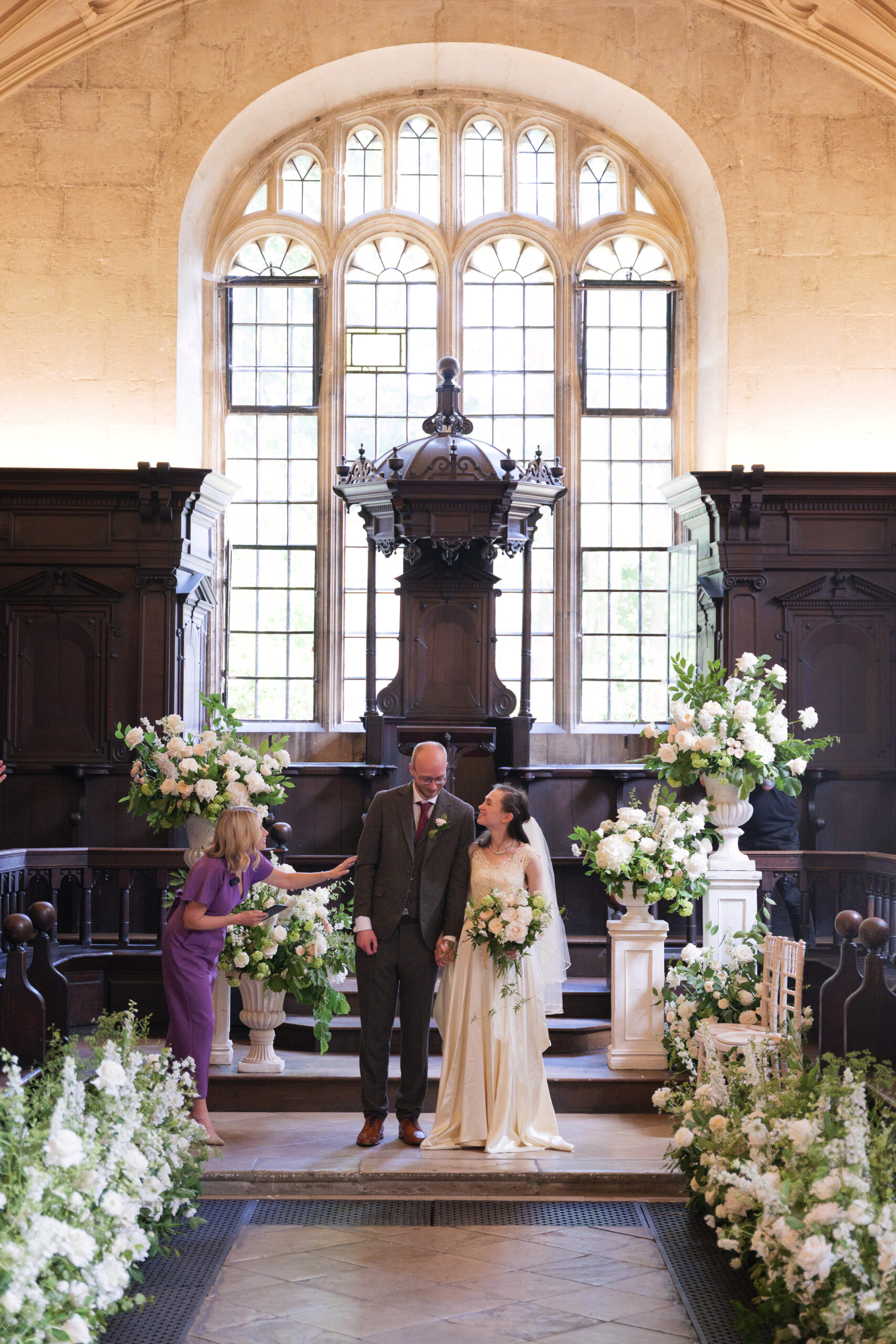
Including readings within your ceremony is a lovely way to add variety and involve other important people in the day. When one person speaks for the entire ceremony it can start to feel quite long, so bringing in different voices helps maintain interest.
Friends or family members might read a favourite poem, a passage from a book, or something meaningful that reflects your relationship. These moments help create a richer and more engaging ceremony, while also allowing other loved ones to play a special role in the day.
Decide What Type Of Wedding Vows You Want
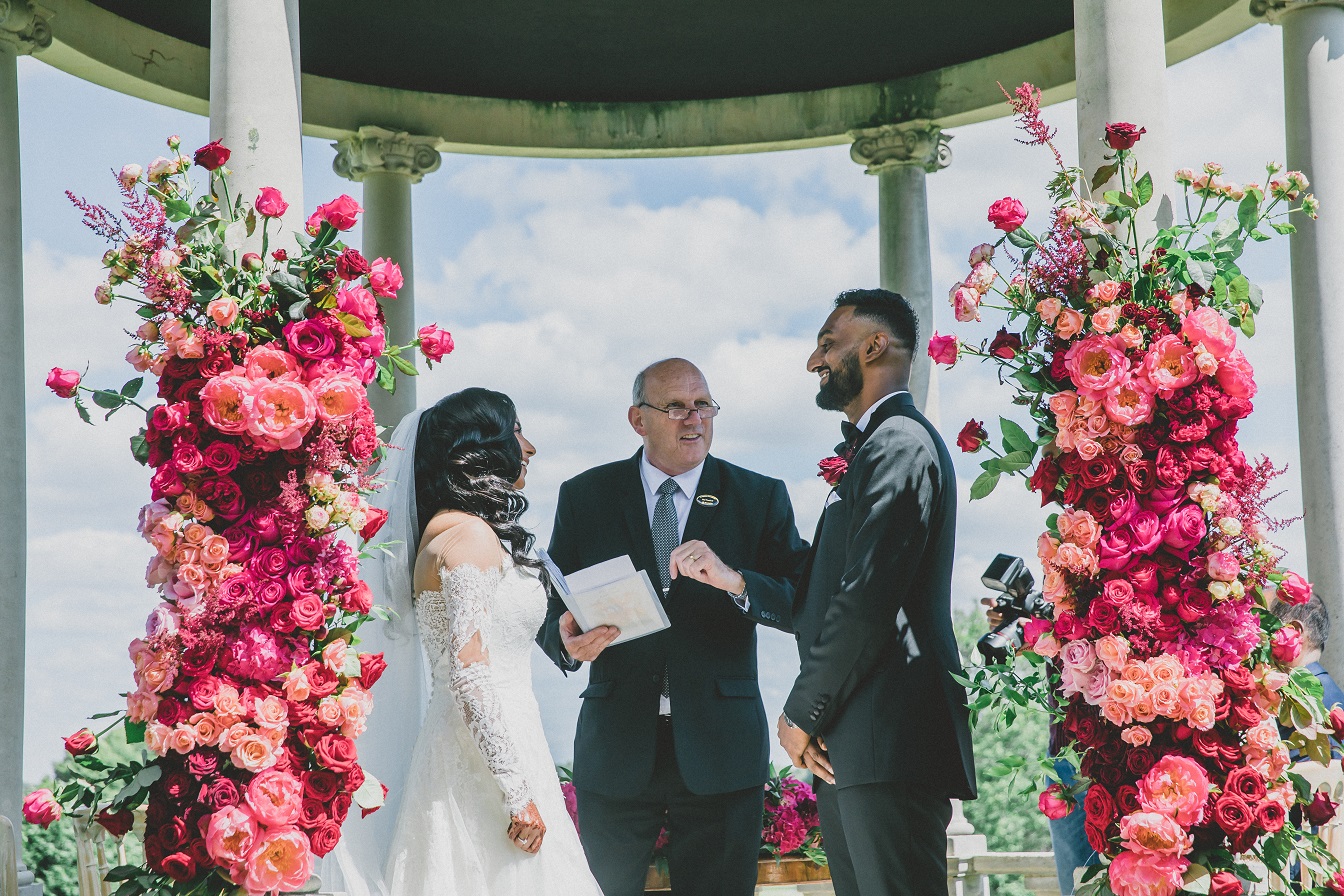
Because your ceremony won’t be the legal marriage, you have complete flexibility when it comes to your vows. Some couples choose to write and read personal vows to each other during the ceremony. Others prefer something simpler, where the officiant reads statements and each partner responds with “I do” or “I will”.
This is something you should decide together before speaking with your officiant so they know how to structure that section of the ceremony. There is no right or wrong option. What matters most is choosing something that feels comfortable and meaningful for you both.

Think About A Ceremony Signing Moment
Even though your ceremony won’t include the legal signing of a marriage certificate, some couples still like to include a symbolic signing as part of the ceremony. This can replicate the feeling of a traditional wedding moment and also creates a natural pause in the ceremony. Some couples sign a decorative certificate or keepsake while music plays in the background. At my officiant led wedding ceremony, we had our vows written and framed, which were placed on an easel, which we both signed, and we had two ‘witnesses’ also sign.
It’s entirely optional, but it can be a nice way to add another meaningful moment if you would like the ceremony to feel closer to a traditional structure. It’s also a nice memento to keep after the day.
Plan The Logistics For Your Officiant
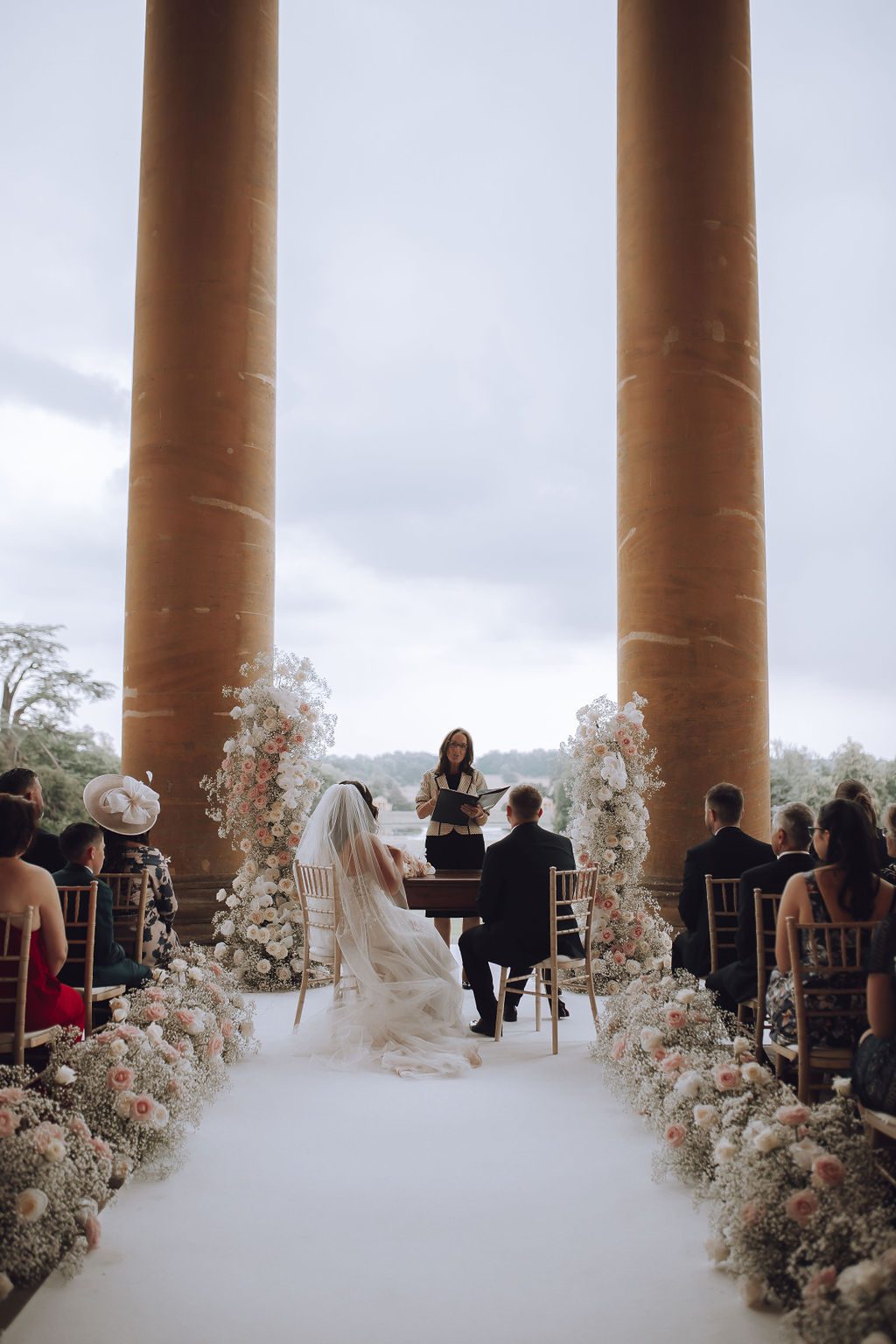
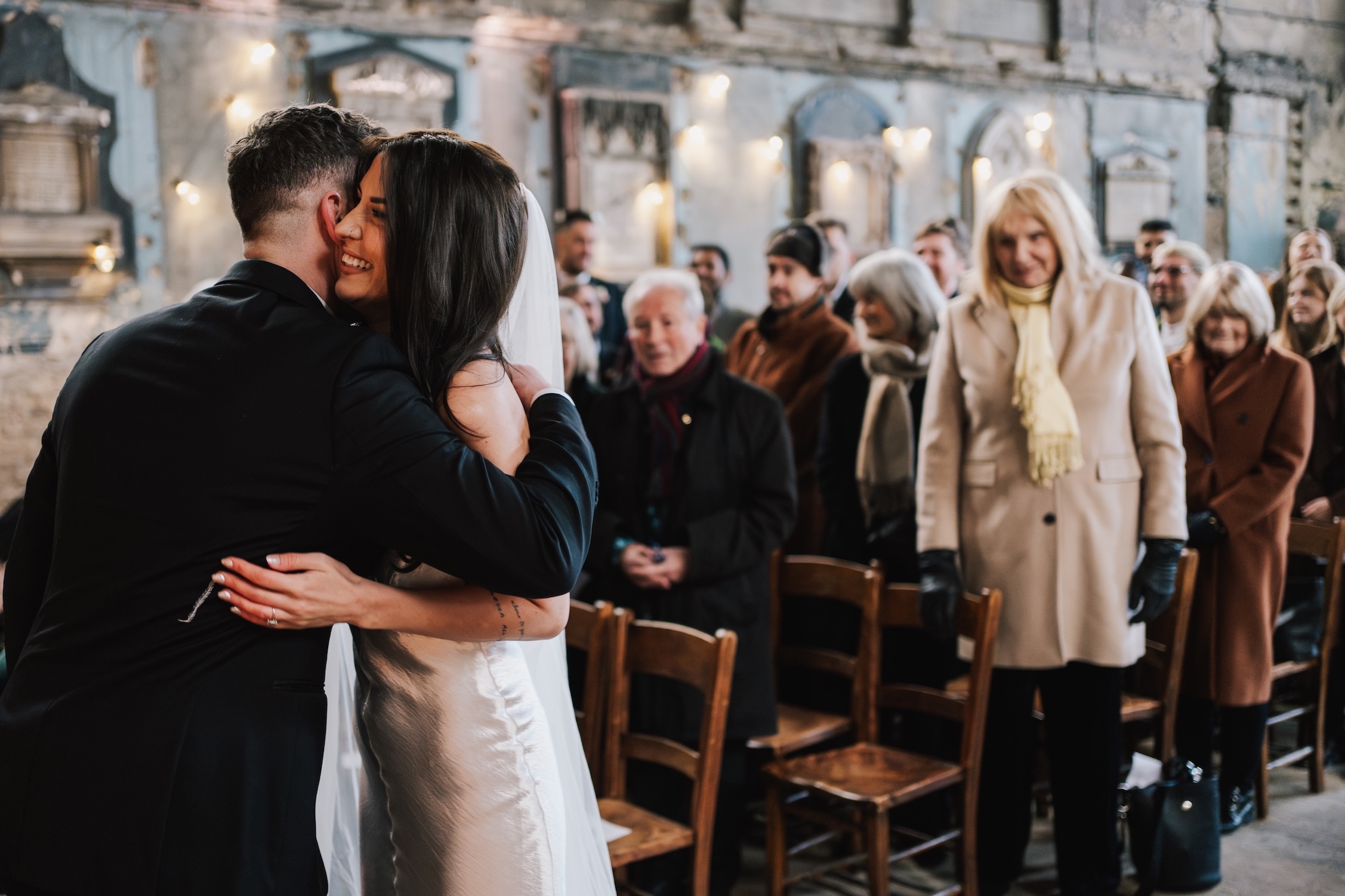
Because your officiant isn’t experienced in running ceremonies, it’s helpful to include logistical cues within the script itself. This helps guide them through the flow of the moment. For example, you can include notes on when the couple will walk down the aisle and when the first kiss will take place. These small cues allow the officiant to step slightly to the side so they aren’t blocking the moment in photos. Planning these details in advance prevents awkward positioning, annoying your photographer and ensures everything runs smoothly.
Don’t Forget The Practical Details
There are also a few practical considerations that can make a big difference on the day.
If your ceremony is outdoors, it’s best for your officiant to avoid using a phone or tablet to read the script. Bright sunlight can create glare on screens, making them difficult to read, and phones don’t always look great in photos. Printed cards or a neatly printed script are usually a much better option.
Sound is another important factor, particularly for outdoor ceremonies. Even someone with a strong voice can struggle to be heard by a large group in an open space. Hiring microphones through your production company ensures all guests can clearly hear the ceremony.
You may also want to include a note in the script asking guests to be seated at the beginning of the ceremony. Without this prompt, it’s surprisingly common for guests to remain standing throughout the whole ceremony! (This did actually happen at my ceremony – we completely forgot to add this note in! It was fine though!)
Some couples also like to include a request for an unplugged ceremony, asking guests to put away their phones and cameras so they can be fully present in the moment, so decide if this is something you would like your officiant to mention.
Plan Your Aisle Exit And Confetti Moment
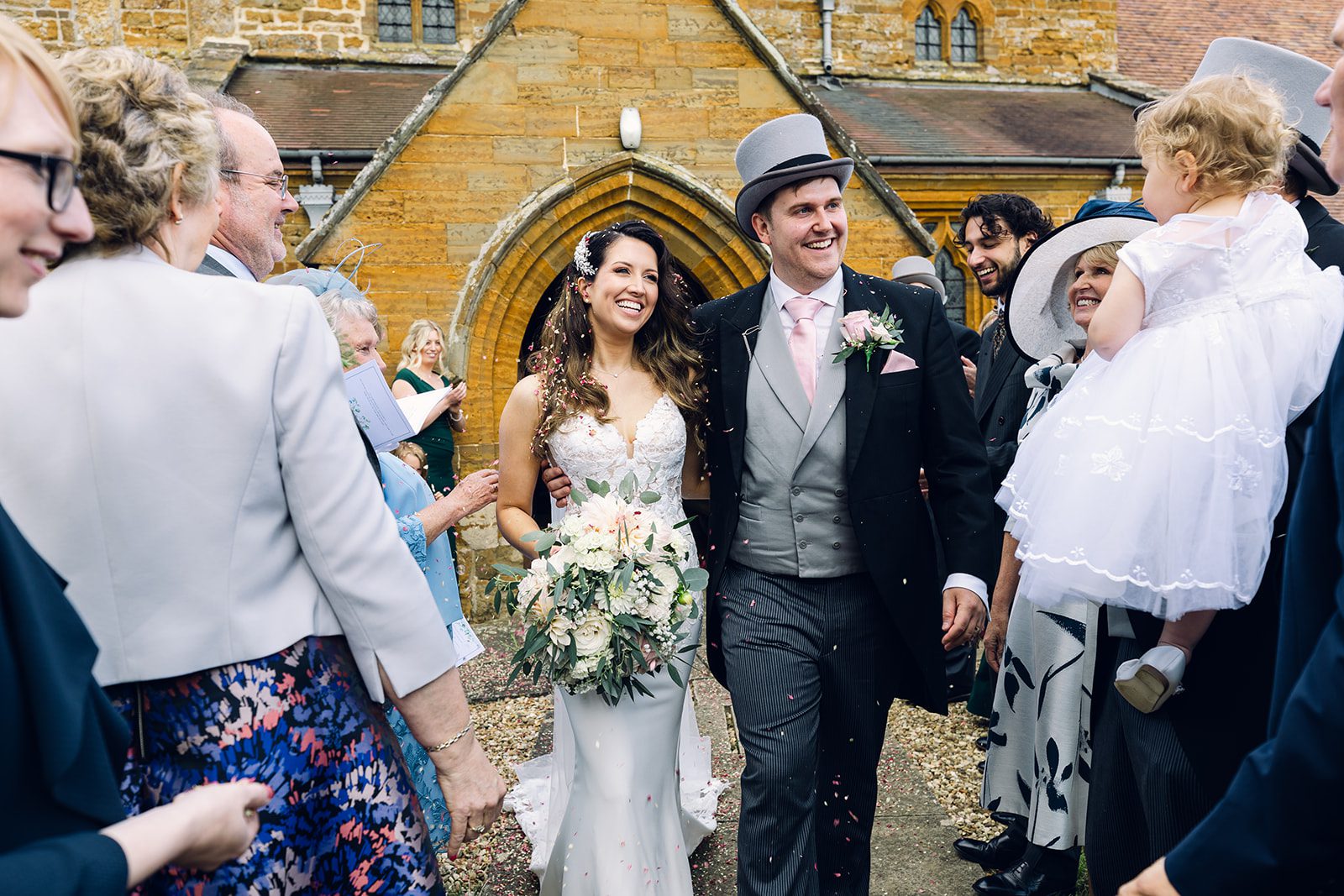
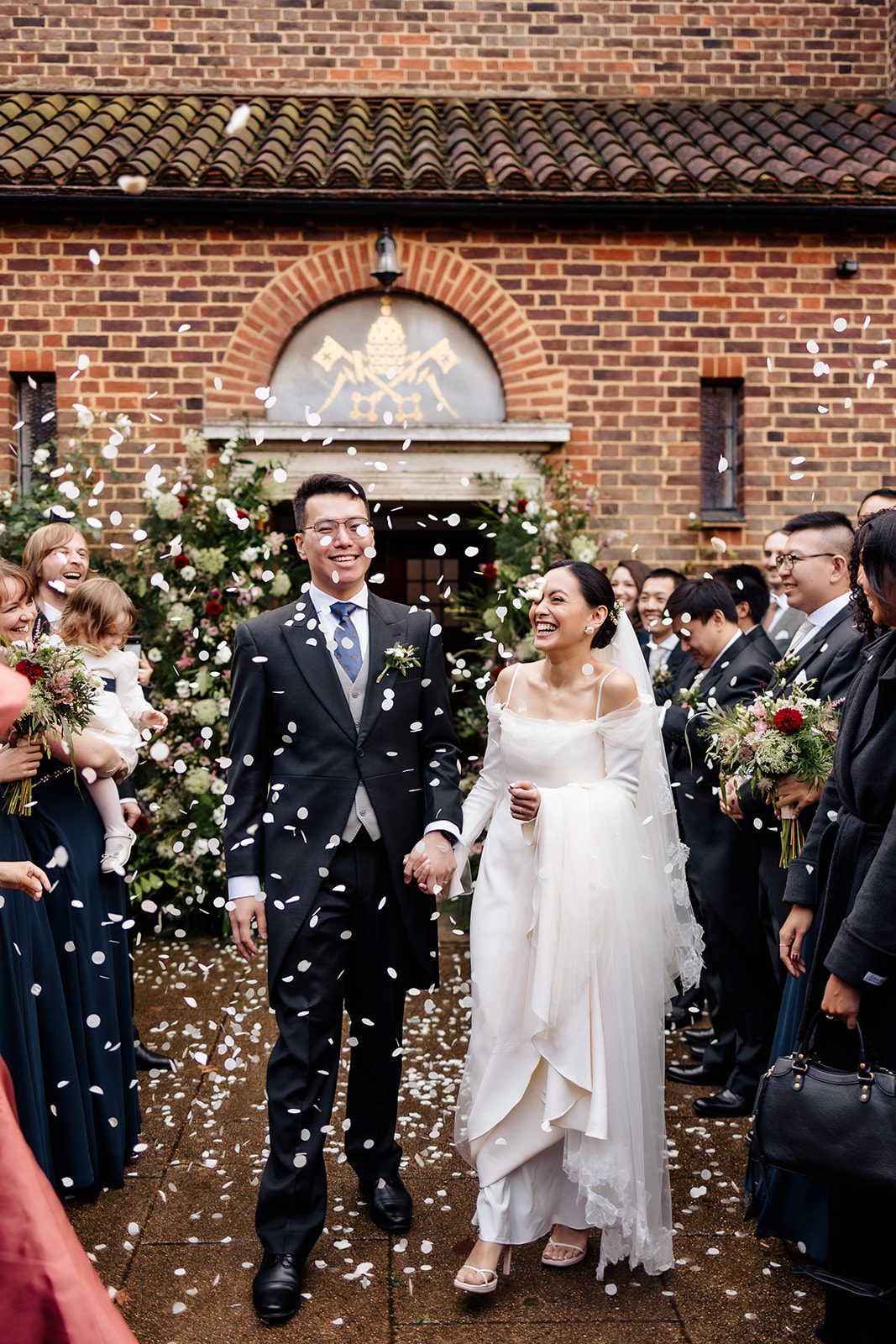
Finally, think about how your ceremony will end. Many couples choose to have their confetti moment as they walk back down the aisle together.
If this is something you would like to include, it’s helpful to build it into the ceremony script so your officiant can advise guests to move into the aisle to throw confetti before you exit. A clear ending and announcement from your officiant also helps create a smooth transition from ceremony to celebration.
Having a friend officiate your wedding can create a ceremony that feels incredibly personal. From personal experience, having a friend officiate our wedding was one of the most memorable parts. Guests still talk about it now. When someone who knows you both well stands up and tells your story, it adds a layer of warmth that is difficult to replicate in any other way. When done well, it often becomes one of the most memorable parts of the entire wedding day.
Planning your day and need assistant? Find out the services we offer here. We also have a podcast ‘Let’s Get You Wed’ which you can listen to on all major podcast platforms.