
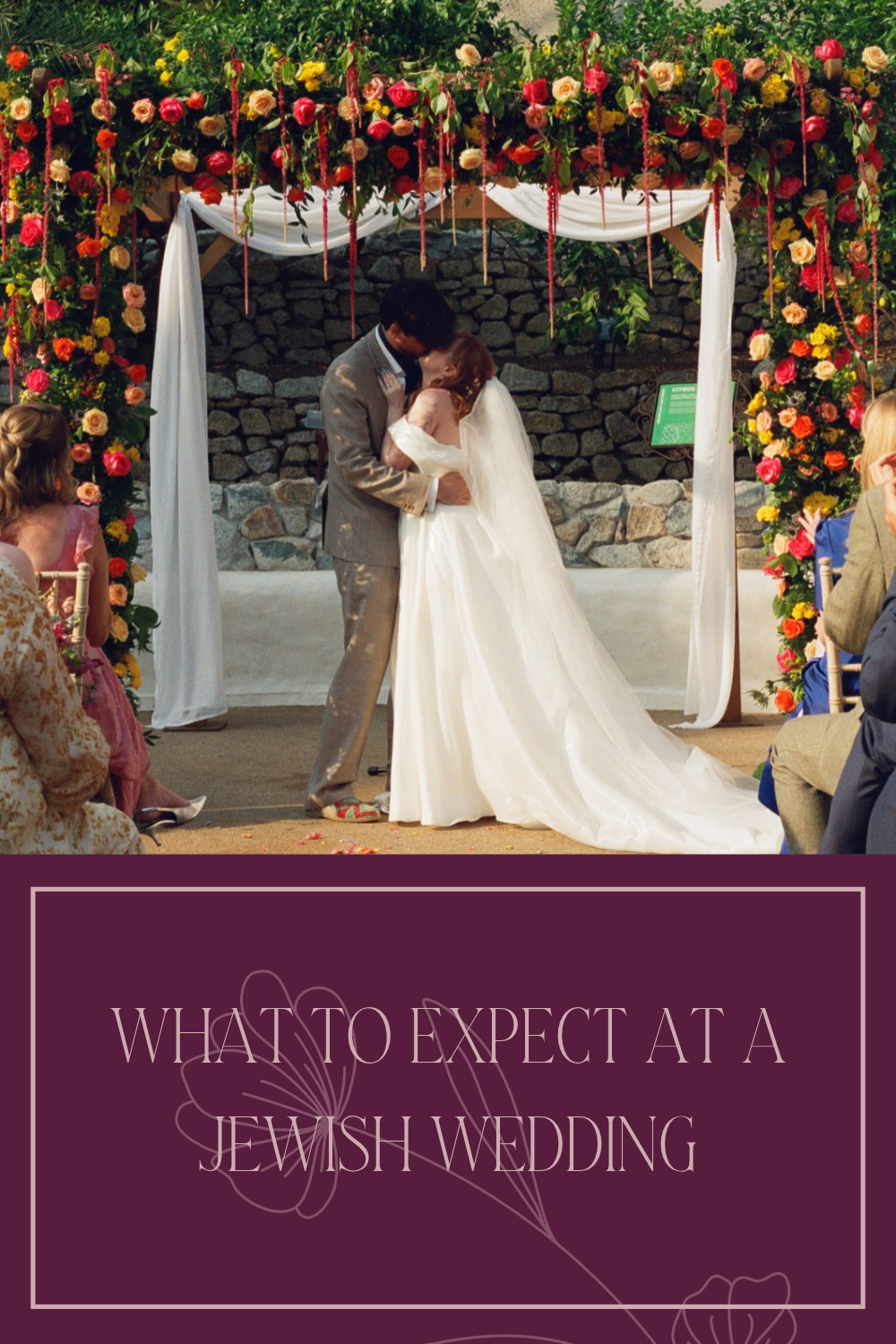
If you’ve been invited to a Jewish wedding, or perhaps you’re planning one yourself, you might be wondering what exactly to expect! Jewish weddings are full of meaningful traditions but are also definitely one of the best parties you will ever attend!
Having planned and managed numerous Jewish weddings over the years, I can honestly say they are some of my absolute favourites. There is something incredibly special about the way family, friends and generations come together to celebrate, and the energy in the room is always something else!
But if you’ve never attended a Jewish wedding before, some of the traditions might be a little unfamiliar. So, let’s talk you through what happens, why certain traditions take place and what you can expect throughout the day.
Jewish vs Orthodox Jewish Weddings – What’s The Difference?
First things first, there are different levels of Jewish observance, and not all Jewish weddings will look the same.
Orthodox Jewish weddings generally follow more traditional religious customs and interpretations of Jewish law. You may notice differences in the ceremony, seating arrangements, dancing and the way certain traditions are carried out. Other Jewish couples may have a more modern or relaxed approach, incorporating some traditions whilst not using others.
We’ve seen this throughout the Jewish weddings we have planned – sometimes couples will have a tradition we haven’t seen before, and others will go without a certain tradition we have seen before. We’re also seeing more and more fusion weddings, where one half of the couple is Jewish and the other isn’t, so this especially may be relevant to them. The important thing to remember is that there isn’t one single format for all Jewish weddings, so always follow the couple’s guidance!
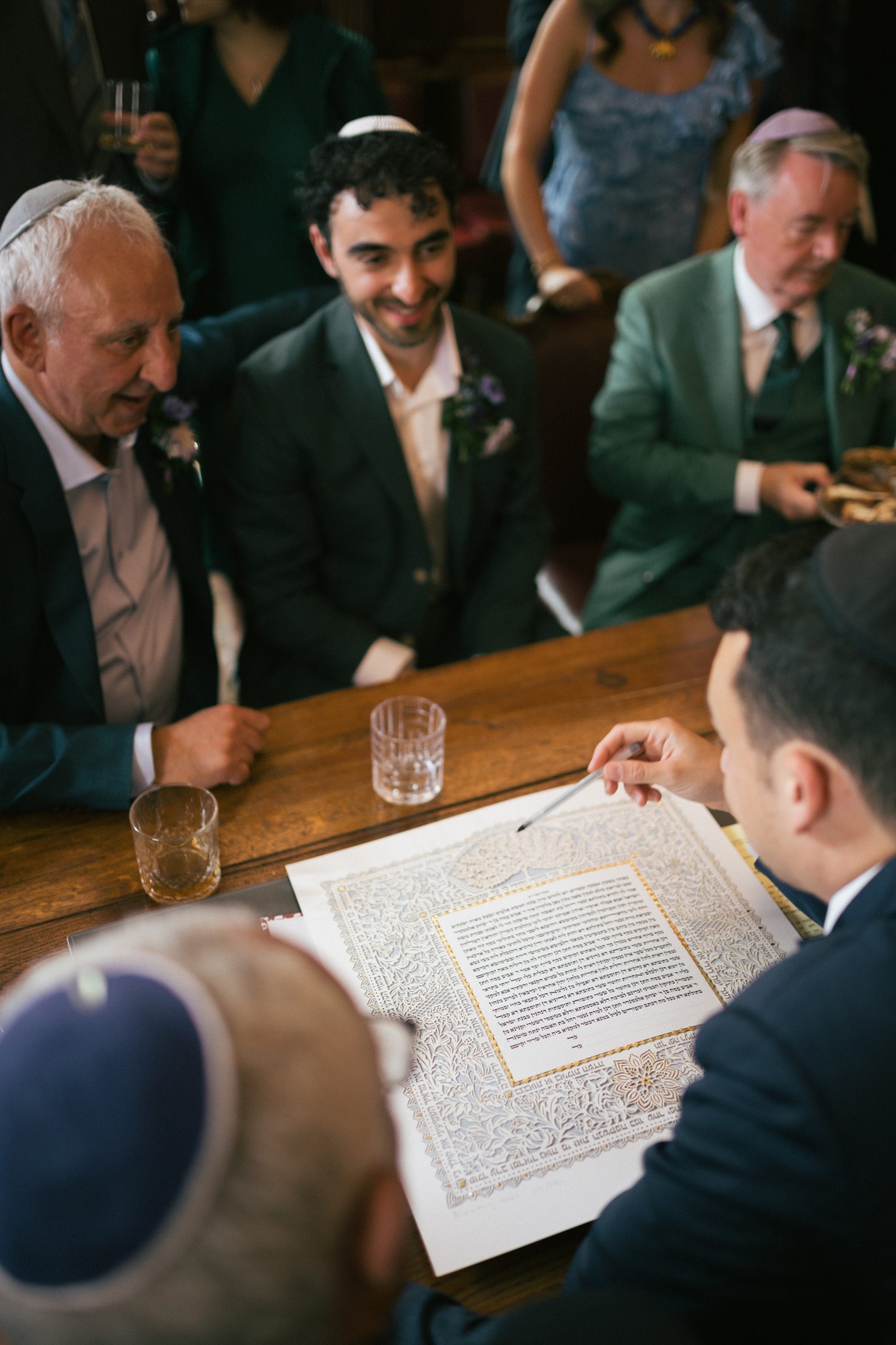
Photo by Rachel Takes Pictures
All About The Tisch
Before the ceremony, you may be invited to attend something called a Tisch. This is traditionally a gathering for the groom and his male friends and family, where they celebrate together before he gets married. The rabbi will also read and explain the ketubah (the marriage contract). The rabbi will also share reflections on marriage and reads traditional songs.
Another thing you might notice, or you may be offered when you arrive, is guests wearing small skull caps called Kippot (singular: Kippah). These are traditionally worn by Jewish men, although guests of other genders may also choose to wear one. They are often provided at the wedding for anyone who wishes to cover their head during the ceremony or blessings. It is great to get involved with this ritual and a mark of respect. We have in the past had weddings who ask for this to be a requirement.
Expect plenty of singing, drinking (yes, spirits, especially whisky, are usually involved!) and lots of encouragement from his friends. It’s a chance for everyone to get the groom excited before he makes his way to the ceremony.
The atmosphere is usually brilliant, and if you’re invited, I would absolutely recommend going along. It’s a lovely opportunity to experience one of the traditions before the main celebrations begin. As we mentioned, this is generally for men, but we did have a wedding recently who invited both men and women, so keep an eye out for this. It generally lasts around 30-45 minutes prior to the ceremony.
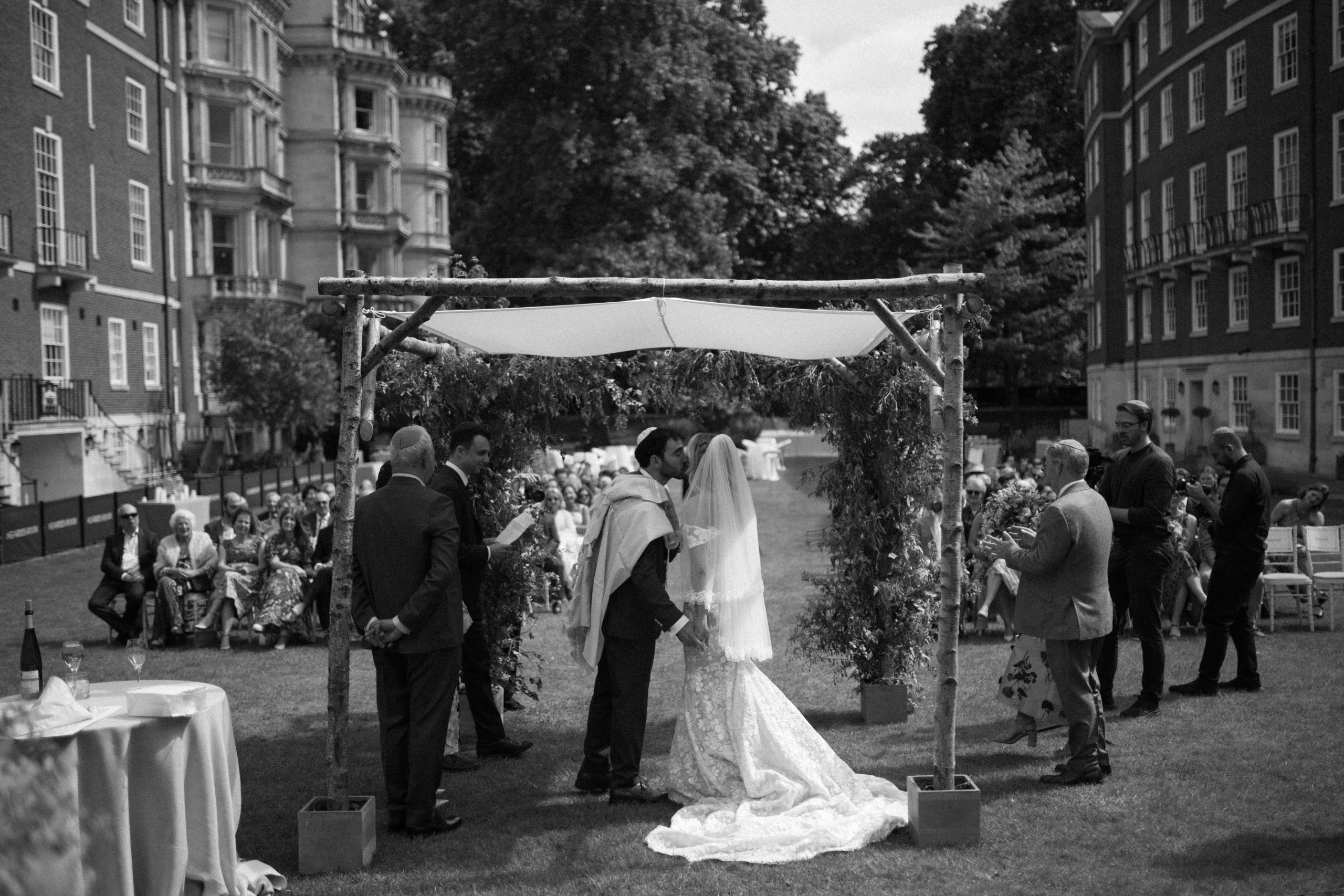
Photo by Rachel Takes Pictures
The Chuppah – The Wedding Ceremony
The Jewish wedding ceremony takes place under a structure called a Chuppah (pronounced hoo-pah). This is a canopy which symbolises the couple’s new home together. Traditionally, it is open on all four sides, representing their commitment to creating a home that is welcoming to family, friends and guests.
The groom will usually arrive at the Chuppah first, accompanied by his parents or family members, and wait for the bride, so very similar to what you may be used to seeing.
One of the traditions you may see is the Bedeken, which is the veiling of the bride. The groom will walk towards his bride, often meeting her halfway down the aisle, and will lower her veil over her face. This is a lovely moment and traditionally references the biblical story of Jacob, who was deceived into marrying Leah rather than Rachel. Some couples choose to have the Bedeken privately before the ceremony, so when the bride walks down the aisle, this isn’t the first time the groom will have seen her.
Another tradition you may witness is the bride circling the groom seven times underneath the Chuppah. This is known as circling and symbolises the creation of a protective space around the couple and their new life together. Customs vary, with some couples choosing to circle each other or adapt this tradition. The Rabbi will then lead the ceremony, reciting blessings over a cup of wine.
There are also seven blessings, known as the Sheva Brachot, which are recited in Hebrew. These blessings celebrate creation, love, marriage, Jerusalem and the couple’s future together. Family members and friends may be invited to recite them, making this a particularly special part of the ceremony.
The couple will then drink from the wine before the Ketubah is read aloud. This is traditionally written in Aramaic, although many couples will also have an English translation read so everyone can understand its meaning.
The couple may have a chazzan singing in Hebrew, chanting prayers and blessings etc throughout the ceremony.
And then comes the moment everyone is waiting for! The ceremony concludes with the groom breaking a glass under his foot. There are a few reasons for this. Not only does it symbolise remembering the destruction of the ancient temples in Jerusalem, it also symbolises the destruction faced by Jewish people and the loss so many Jewish people have had to face, acknowledging that even in moments of great happiness, there is still sadness in the world. The groom needs to break it in one go, so no pressure!
We then say Mazel Tov! Which is also a popular tune which is played when the couple exit – which means congratulations!
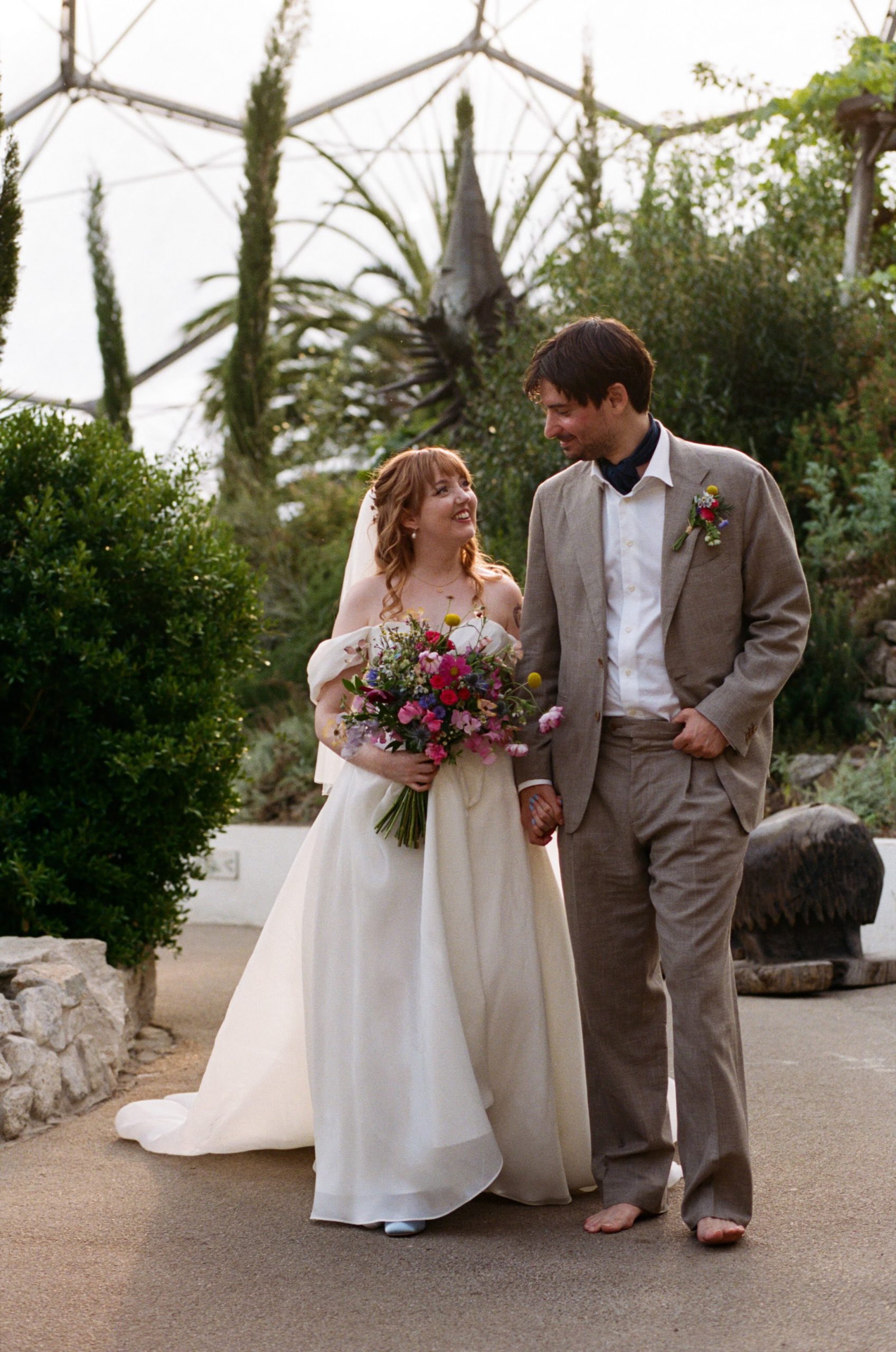
Photo by Kate Bunny Hampson
The Yichud
Immediately after the ceremony, many couples will spend around ten minutes together privately in a room. This is known as Yichud. It’s a chance for the newlyweds to take a breath, enjoy their first moments as a married couple and have a little time away from all the excitement.
Historically, this tradition also marked the beginning of the couple’s married life together. Nowadays, it’s a lovely opportunity to have a moment together before heading back out to join everyone. You’ll probably need it!

Food, Blessings and A LOT Of Dancing!
Now, this is where things really get going!
Before eating any food, even before canapes, hamotzi will be available, which is when you wash your hands and consume the bread, before eating anything else. This is more popular with Jewish Orthodox weddings, and something we have only seen a couple of times but may happen. It will always be available by a Kosher caterer though for anyone who wants to do it, you may just not notice.
The wedding meal traditionally begins with a blessing over bread, often Challah, which is a special braided bread (which is so good!). Jewish weddings will generally serve kosher food. Kosher refers to food that follows Jewish dietary laws, which include restrictions on certain ingredients, such as pork and shellfish, and keeping meat and dairy separate. So, don’t expect pork on the dinner menu!
After the meal, there is another series of blessings known as Birkat Hamazon, often referred to as Benching. These are prayers of thanks after eating, which are traditionally sung or chanted in Hebrew. The seven wedding blessings are also repeated as part of this celebration and a chosen person from the family will complete these.
And now, onto my favourite part…
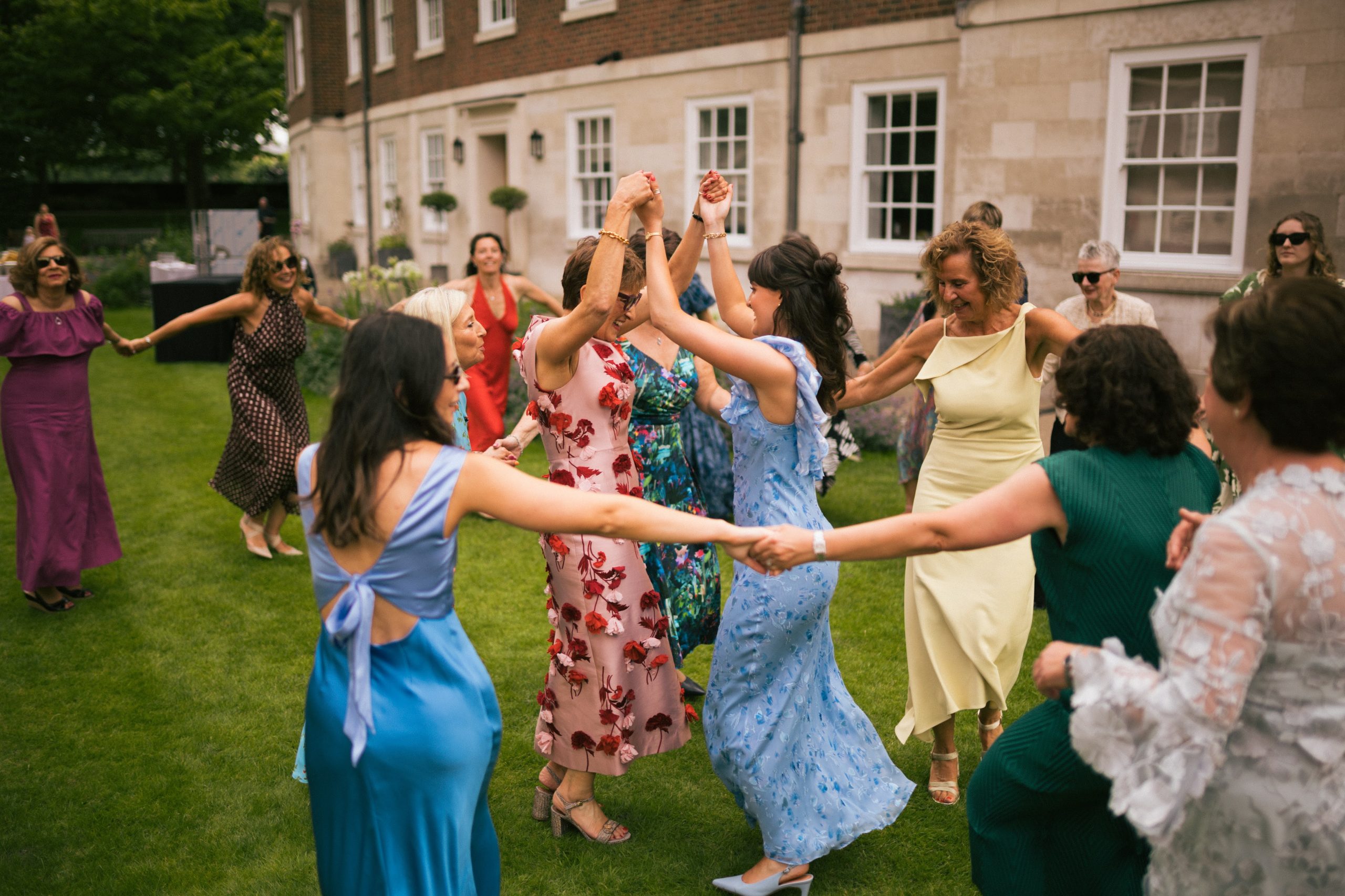
Photo by Rachel Takes Pictures
Jewish Wedding Dancing – Get Involved!
If there is one thing I want you to take away from this blog, it’s that you need to be ready to dance! Jewish weddings are famous for their celebrations, and the dancing is a huge part of the evening. You can expect lots of traditional Jewish music, lively singing and a dance floor full of guests. There also tends to be dancing before each course, not just after dinner, so don’t eat too much!
One tradition you may have heard of is the Hora, where guests dance in circles around the newlyweds. The bride and groom are often lifted onto chairs above the crowd, sometimes holding onto a handkerchief or cloth between them. Yes, really! And yes, it can get quite energetic! There will be lots of different dances circling each other etc, but just follow everyone else as they will show you what to do. That is one of the best parts of a Jewish wedding, getting to know the dances and the songs. They will stick in your head for a long time afterwards!
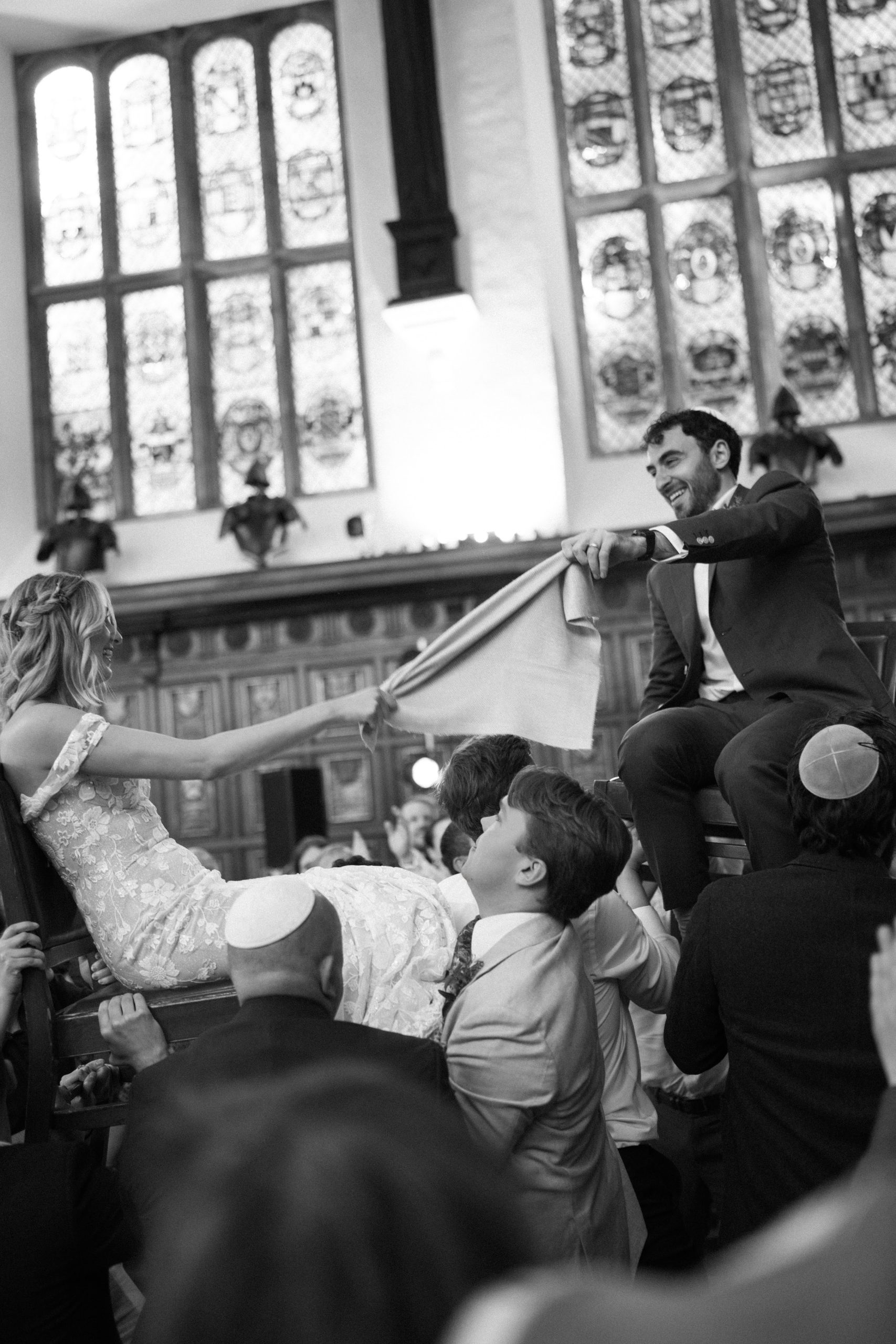
Photo by Rachel Takes Pictures
When Do Jewish Weddings Usually Take Place?
Jewish weddings often start a little later in the day than a traditional British wedding, and the ceremony itself can be relatively short, although this varies depending on the couple and their traditions. Many Jewish weddings in the UK take place on Sundays, but you will also find celebrations on other days of the week.
One important thing to know is that Jewish law prohibits weddings taking place during Shabbat, the Jewish day of rest, which runs from sunset on Friday until nightfall on Saturday. This means Saturday weddings can take place, but only once Shabbat has ended and the sun has set. In winter, this can make Saturday evening weddings popular, although not common, as families can enjoy their traditional Friday night dinner together and observe Shabbat before the wedding celebrations begin (Friday Night Dinner the TV series fan!).
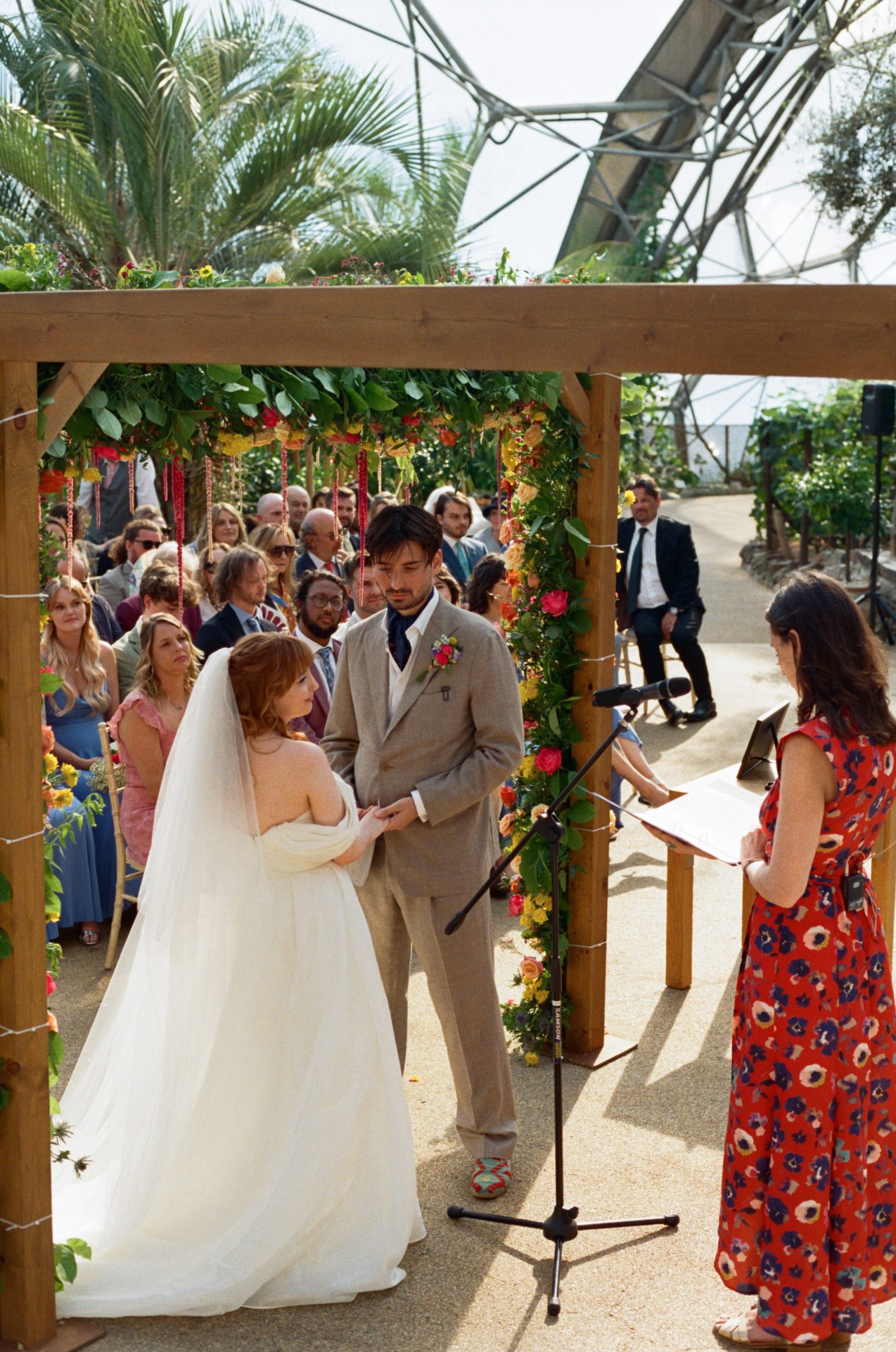
Photo by Kate Bunny Hampson
So, What Should You Expect At A Jewish Wedding?
In short, expect meaningful traditions, wonderful family moments, plenty of food, lots of singing and one seriously good party!
Jewish weddings are such a wonderful celebration of love, family and culture. Whether you’re attending as a guest, planning a Jewish wedding yourself or bringing two different cultures together for a fusion celebration, understanding the traditions can make the experience even more special.
And if you’re planning a Jewish wedding, make sure you have a team around you who understand the traditions, timings and logistics involved. There are lots of moving parts, particularly when you’re combining the ceremony, religious traditions and a big evening celebration.
Having managed so many Jewish and fusion weddings, I can safely say they are some of the most fun weddings we get to be part of! Looking to plan a Jewish wedding? Get in touch and we can help as a Jewish wedding planning expert!